
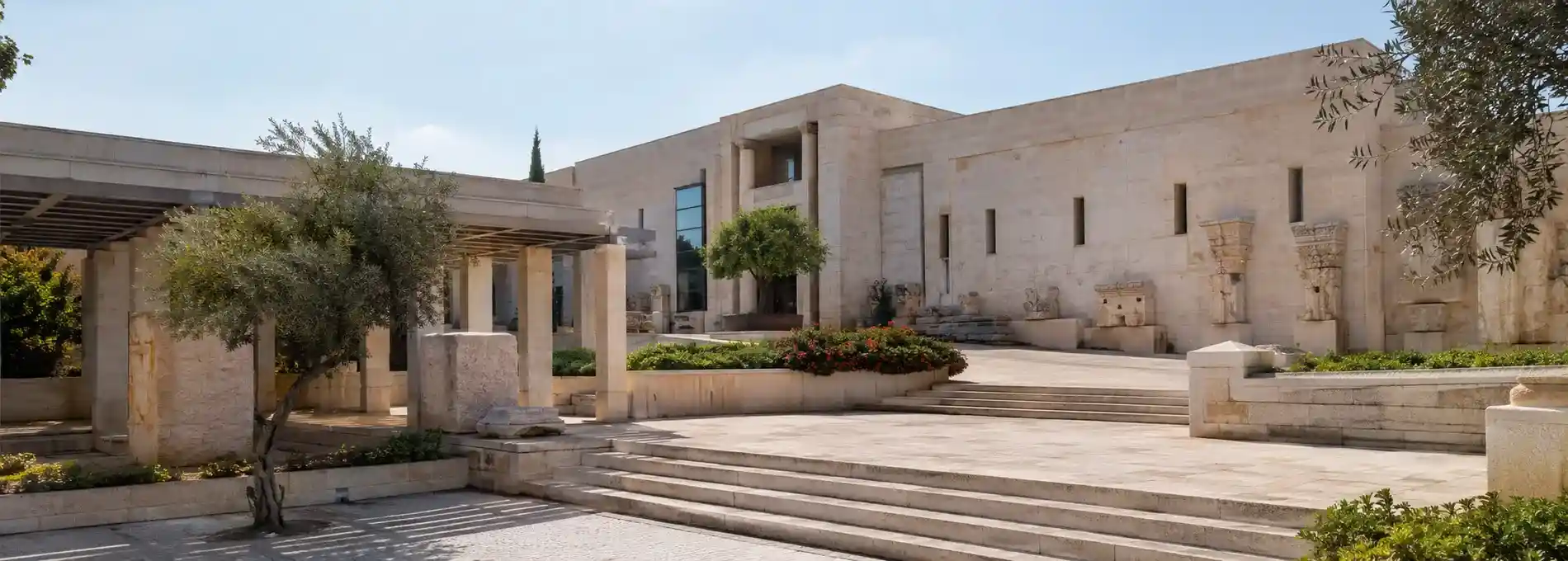
The best historical museums to visit in Jerusalem are not necessarily the ones with the longest list of objects. They are the places that help you ask better questions when you walk back outside. One museum may explain the city as a changing capital, another may focus on archaeology and ancient texts, another may place the Holocaust at the center of memory, and another may preserve the cells of a former prison. Choosing well means matching the museum to your interests, your available time, and your readiness for the subject matter.
Jerusalem’s museums are spread across different neighborhoods, so geography should shape the plan. The Tower of David Museum stands by Jaffa Gate. The Israel Museum, the Shrine of the Book, and the Bible Lands Museum are in the Givat Ram museum area. Yad Vashem is farther west, while the Museum of the Underground Prisoners is near the Russian Compound in central Jerusalem. A map makes the distances look manageable, but each museum can absorb several hours. Choose one major institution and one smaller companion rather than treating the day as a race.
Choose by question, not by ranking
Start with the question you want the museum to answer. How did Jerusalem develop across thousands of years? What can archaeology reveal about the ancient Near East? How are the Dead Sea Scrolls preserved and presented? How does a city remember the Holocaust? What did imprisonment and underground activity look like during the British Mandate? The answer will point you toward a museum more reliably than a generic list of must-sees.
Consider the emotional weight as well as the intellectual subject. A military, political, or Holocaust museum may require a quieter pace and time afterward. An archaeology museum may offer a broader range of ages and interests, but its objects still carry histories of excavation, ownership, and interpretation. Before entering, agree on how long your group can stay and whether everyone wants to visit every gallery. A thoughtful museum day has room for different reactions.
Five places to begin
Tower of David Museum. Located inside Jerusalem’s historic citadel near Jaffa Gate, the Tower of David Museum presents the city’s story and emphasizes its importance to Judaism, Christianity, and Islam. The citadel is part of the experience. Walls, towers, courtyards, archaeological remains, and views connect the exhibition to the city outside. This is a strong first choice for visitors who want an overview of Jerusalem and who are already planning an Old City walk. The museum’s official site also lists guided tours and changing visitor programs, so check the current schedule before you go.
The Israel Museum and Shrine of the Book. The Israel Museum brings archaeology, Jewish art and life, and fine art into one large cultural institution. For history-focused visitors, the Shrine of the Book is a natural anchor because it houses the Dead Sea Scrolls exhibition. The museum’s own guide explains that the exhibition traces the story of these ancient manuscripts. Give the campus more time than a quick stop, especially if you want to connect the scrolls with the Second Temple period model, archaeology galleries, or the wider history of the land.
Bible Lands Museum Jerusalem. The Bible Lands Museum tells the story of humanity through a collection of artifacts from the ancient Near East. Its strength is comparative context. Instead of treating Jerusalem’s history as a closed local narrative, the museum places ancient societies, trade, writing, religion, and political power in a wider regional frame. It works well for visitors who want to understand the civilizations connected to the biblical world and for families who prefer a chronological, object-led route through early history.
Yad Vashem. The World Holocaust Remembrance Center requires a different kind of planning. Its Holocaust History Museum, memorial spaces, exhibitions, and grounds are designed for serious study and remembrance. The official visitor guidance states that visits to the Holocaust History Museum must be reserved in advance. Allow enough time and do not pair the visit with a crowded schedule that expects an immediate return to sightseeing. Silence, conversation, and distance afterward can be part of the itinerary.
Museum of the Underground Prisoners. In the Russian Compound, this museum occupies a former prison building and focuses on the experience of Jewish underground prisoners during the British Mandate period. The restored cells, corridors, courtyards, and interpretive material make the building itself central to the story. It is a compact but intense visit for travelers interested in the years before the establishment of the State of Israel. Pair it with the central city rather than treating it as a remote destination, and remember that the museum presents a focused institutional narrative.
Combine the museum with the city outside
A museum becomes more useful when you connect it to a nearby route. Visit the Tower of David before entering the Old City through Jaffa Gate, then continue with the first Old City walking guide. After the Israel Museum or Bible Lands Museum, compare objects and historical claims with the City of David and Jerusalem Walls archaeology guide. After the Museum of the Underground Prisoners, walk through central Jerusalem’s streets and consider how the Mandate period is remembered in public space.
The same practice works for Yad Vashem, although the connection should be made with care. The memorial’s subject is not a scenic prelude to another attraction. If you have the energy, a quiet walk through the surrounding grounds or a return to your accommodation may be better than adding another major site. History is not made more meaningful by adding more destinations immediately afterward.
Use the museum’s labels as a guide to its method. Notice what is dated, what is reconstructed, which voices are quoted, and how the route through the galleries creates a sequence. Museums are arguments built from objects, architecture, captions, sound, and movement. Reading the method does not diminish the experience. It helps you understand why the same city can look different in different institutions.
Before you go
Check official opening hours, advance reservations, ticketing, temporary exhibitions, accessibility information, and language options. Yad Vashem requires advance reservations for visits to the Holocaust History Museum, and other institutions may use timed entries or separate tickets for special exhibitions. Museum schedules can change during holidays, public events, restoration, or security restrictions.
Plan for walking between buildings and galleries. Comfortable shoes, water, and a light layer are useful in every season. Large campuses can involve more outdoor movement than expected, while security checks may take time. If you are visiting with children, describe the subject of each museum honestly and give the group permission to take breaks.
Photography rules vary. Follow the institution’s instructions, avoid flash where prohibited, and do not photograph other visitors without permission. In memorial spaces, the most respectful choice may be to leave the camera away. Keep notes if you want to remember a title, date, or question for later research.
Jerusalem’s historical museums work best as companions to walking. Let one object, one room, or one question change the way you read the next street. The aim is not to declare one museum the winner. It is to build a more connected understanding of archaeology, memory, faith, politics, and the city that holds them together.
References & Visitor Notes
Museum descriptions and visitor planning are informed by the official pages for the Tower of David Jerusalem Museum, the Israel Museum, the Bible Lands Museum Jerusalem, Yad Vashem visitor information, and the Council for Conservation of Heritage Sites in Israel guide to the Museum of the Underground Prisoners. Verify current schedules before visiting.